South Africa digital threat: July witnessed a significant surge in fake news across South Africa, prompting urgent responses from authorities striving to mitigate the impact of digital misinformation. As the digital landscape expands, the proliferation of false information poses a growing challenge, affecting public opinion and potentially influencing key societal issues. The South African government, alongside various organizations, is actively working to combat this digital threat. This article delves into the measures being taken, the role of social media, and the impact on the nation’s socio-political climate, highlighting the need for vigilance and informed engagement in the digital age.
Authorities tackle fake news in South Africa
The rapid spread of fake news in South Africa has become a focal point for authorities, who are ramping up efforts to counteract misinformation. Government agencies are collaborating with tech companies and non-governmental organizations to develop strategies aimed at identifying and curbing the dissemination of false information. These efforts include the implementation of fact-checking tools and public awareness campaigns. In addition, the South African Police Service (SAPS) is working closely with cybercrime units to track and prosecute those responsible for creating and spreading fake news. Key strategies include:

- Enhancing digital literacy among citizens.
- Promoting transparency in online news sources.
- Implementing stricter regulations on digital platforms.
- Encouraging responsible sharing of information.
- Strengthening partnerships with global tech giants.
The role of social media in spreading misinformation
Social media platforms are significant conduits for the spread of fake news, with their algorithms often amplifying sensationalized content. In South Africa, platforms like Facebook, Twitter, and WhatsApp are commonly used to disseminate news, which can sometimes blur the lines between fact and fiction. The viral nature of social media makes it particularly challenging to control the spread of misinformation. Platforms are increasingly under pressure to take responsibility for the content shared by users. Measures being introduced include labeling false information, reducing the visibility of misleading content, and collaborating with fact-checkers to provide accurate information. Despite these efforts, the sheer volume of content being shared requires ongoing vigilance and adaptation from both the platforms and users.

| Platform | Feature | Action |
|---|---|---|
| Fact-checking labels | Reduction in visibility of fake news | |
| Warning labels | Limiting reach of misleading tweets | |
| Forwarding limits | Restricting message spread |
Impact of digital misinformation on South African society
Fake news significantly impacts South African society, influencing public perceptions and potentially affecting political landscapes. Misinformation can lead to panic, societal division, and a lack of trust in legitimate news sources. For instance, during elections, fake news can be used to manipulate voter opinions, potentially swaying election outcomes. Similarly, misinformation regarding health issues can lead to public health crises, as seen during the COVID-19 pandemic. To counter these effects, it is crucial for South Africans to develop critical thinking skills and engage with reputable news sources. The government and educational institutions are working towards integrating digital literacy into the curriculum, ensuring that future generations are better equipped to navigate the complexities of the digital age.

Combating fake news: steps forward
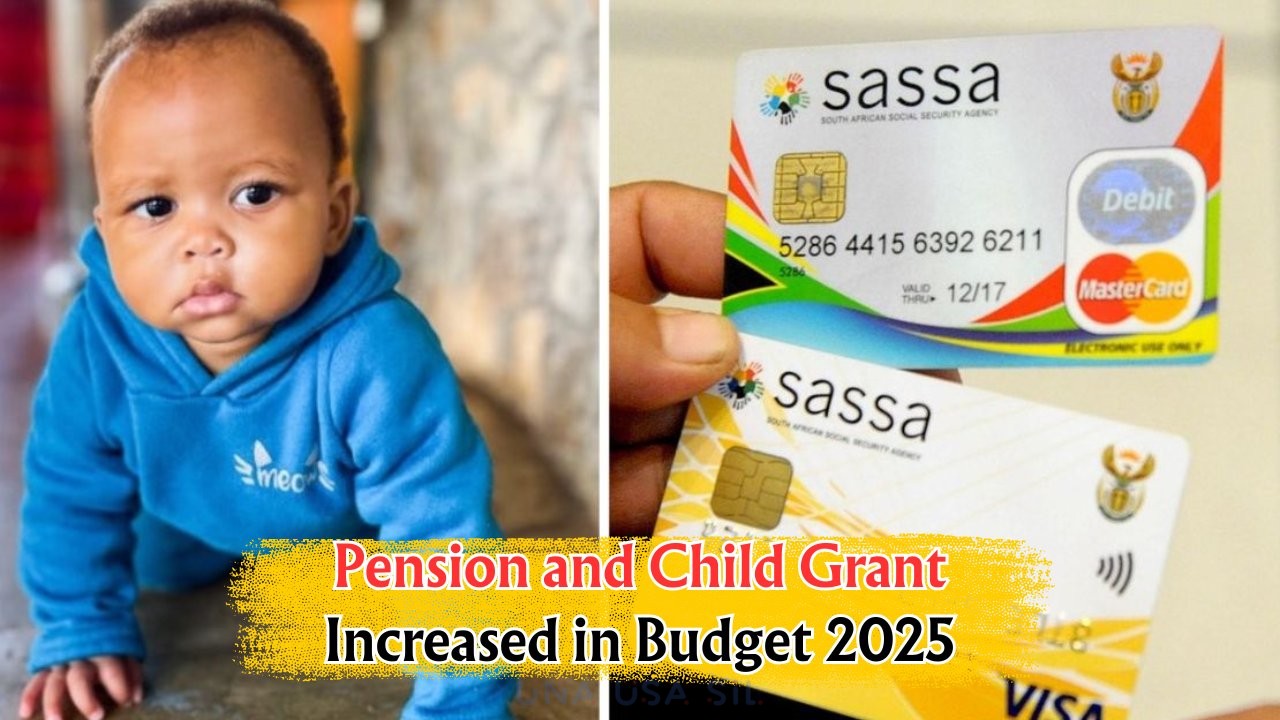
 Celebration in South Africa: 2025 Budget Boosts Pensions and Child Grants to Unprecedented Heights
Addressing the fake news epidemic requires a multifaceted approach, involving all sectors of society. Here are some key steps being taken:
- Public education campaigns to raise awareness about the dangers of fake news.
- Collaboration between media outlets to promote accurate reporting.
- Development of advanced technologies to detect and flag misinformation.
Future outlook: digital resilience in South Africa
Building digital resilience in South Africa is crucial to mitigating the impact of fake news. This involves not only technological solutions but also fostering a culture of critical engagement with digital content. Educational programs focusing on digital literacy are essential, equipping individuals with the skills needed to discern fact from fiction. Moreover, ongoing dialogue between stakeholders, including the government, tech companies, media, and the public, is vital in adapting strategies to the evolving digital landscape. By prioritizing digital resilience, South Africa can protect its democratic processes and uphold the integrity of its information ecosystem.

- Encouraging media literacy education.
- Strengthening partnerships with international fact-checkers.
- Promoting accountability in digital content creation.
Understanding the impact of misinformation
Misinformation has far-reaching consequences, affecting not only individual beliefs but also societal cohesion. It is imperative that all stakeholders, from government bodies to individual citizens, recognize the importance of combating false information. By fostering an informed and engaged public, South Africa can safeguard its future against the threats posed by digital misinformation.
| Stakeholder | Role |
|---|---|
| Government | Policy and regulation |
| Tech companies | Platform accountability |
| Media | Accurate reporting |
| Public | Critical engagement |
FAQ: Addressing fake news in South Africa
- What is being done to combat fake news in South Africa? Authorities are implementing fact-checking tools, increasing public awareness, and working with tech companies to reduce misinformation.
- How can individuals help fight misinformation? By verifying sources, sharing only trusted information, and educating others about the dangers of fake news.
- What role do social media platforms play in spreading fake news? Social media platforms can amplify misinformation through viral sharing but are taking steps to address this issue through labeling and visibility reduction.
- Why is digital literacy important in the fight against fake news? Digital literacy equips individuals with the skills to critically evaluate information, reducing the impact of misinformation on society.